 By
By
When you’re pricing forklift training, it’s tempting to choose the lowest-cost option—especially when online ads promise “instant certification” for a fraction of the price. But forklift training isn’t a commodity. It’s a safety-critical program that directly impacts whether your team goes home uninjured, whether your operation stays productive, and whether your company is truly compliant.
The reality is simple: the cheapest training often becomes the most expensive decision—because the costs show up later as incidents, downtime, workers’ comp claims, damaged equipment, and reputational risk.
Here’s how to think about forklift training costs the right way—and why investing in quality training protects both your people and your business.
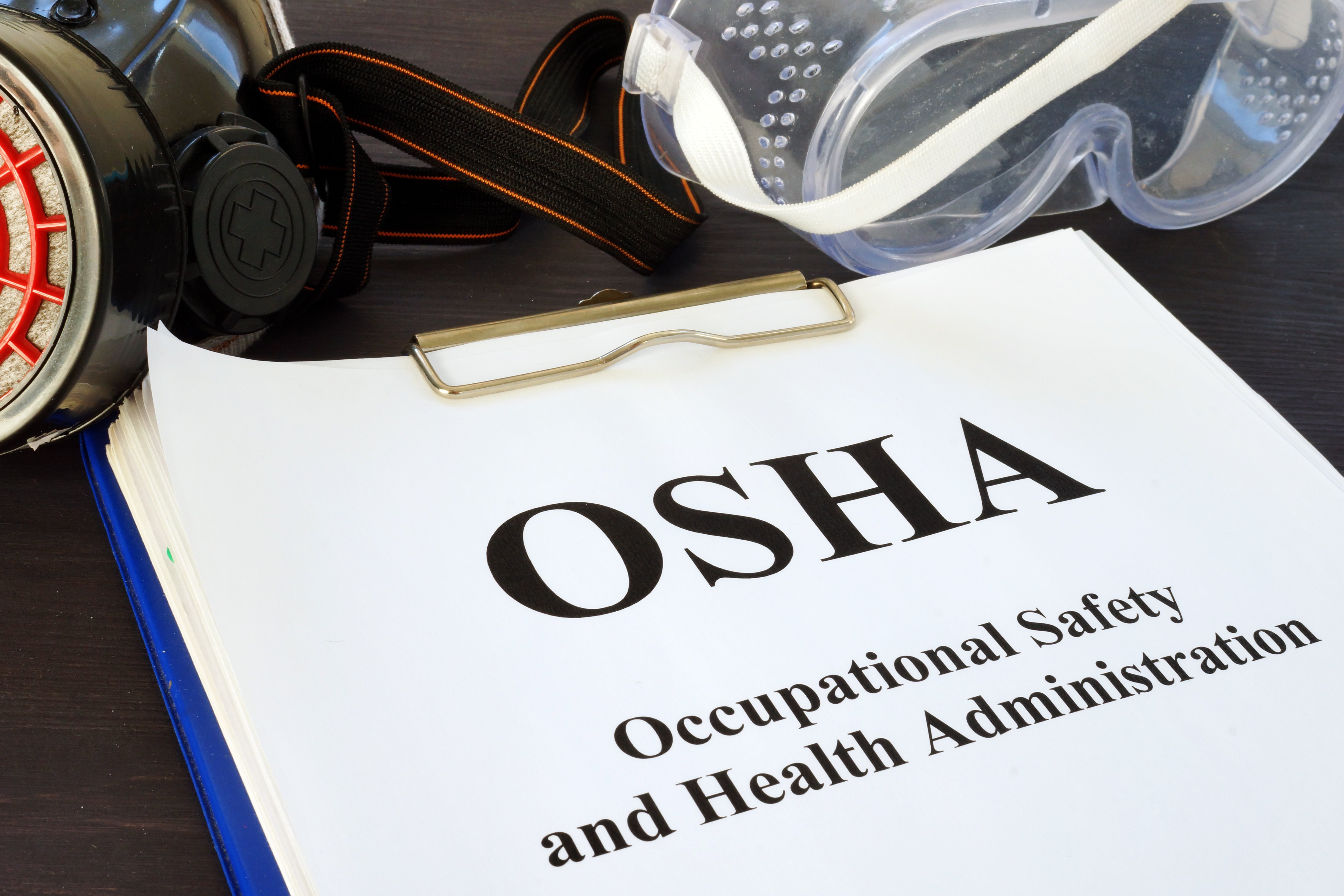
OSHA requires more than a “certificate.”
A big part of the “cheap training” problem is that many low-cost providers market a certificate as the end goal.
But OSHA’s Powered Industrial Truck standard requires a complete process that includes:
- Formal instruction (classroom, video, online, etc.)
- Practical training (hands-on)
- A performance evaluation to confirm the operator can safely operate in the workplace
In other words: an online module might support the instruction portion, but it does not replace the hands-on training and evaluation required before someone operates your equipment in your facility.
OSHA also specifies that training/evaluations must be conducted by people with the knowledge, training, and experience to train operators and evaluate competence.
The real “cost” is what happens when something goes wrong
Forklift incidents are rarely “minor.” They often involve crushing hazards, tip-overs, falls from docks, and struck-by events.
NIOSH notes that many forklift fatalities occur when a worker is crushed by an overturn or when a forklift falls from a loading dock.
Even when injuries aren’t fatal, the financial impact adds up quickly. The National Safety Council estimates the cost per medically consulted work injury at about $43,000, and the cost per work-related death at about $1,460,000 (these include wage and productivity losses, medical costs, administrative expenses, and employer costs).
Separately, NSC workers’ compensation claim data shows many lost-time claims run very high depending on the body part injured—often tens of thousands of dollars per claim.
When you compare those numbers to the cost difference between “cheap training” and “proper training,” the math gets very clear, very fast.
Cheap training often misses the most important part: your workplace
Forklift safety isn’t just about the truck—it’s about the environment.
A warehouse with narrow aisles, busy pedestrian crossings, uneven dock approaches, outdoor yard travel, or changing racking systems needs training that addresses those exact conditions. OSHA emphasizes workplace-specific training topics and tailoring the program to the employer’s workplace.
When training is generic, operators may pass a quiz—but still struggle with:
- Load stability in your racking and aisle widths
- Blind corners and intersection behavior
- Dock plates, trailer entry/exit procedures, and drop-off hazards
- Pedestrian separation and communication protocols
- The exact forklift types and attachments you use
That gap—between “knowing” and “performing”—is where incidents happen.
“Lowest price” can create hidden operational costs
Even without a recordable injury, low-quality training can cause expensive operational problems:
- Product damage (dropped loads, punctured packaging, crushed pallets)
- Equipment wear and maintenance (improper handling stresses forks, hydraulics, tires, and masts)
- Downtime (equipment taken out of service after a near miss, collision, or mechanical issue)
- Lower throughput (uncertain operators work slower and hesitate in tight conditions)
- Safety culture drift (rules become “suggestions,” especially when leadership is busy)
These aren’t line items in a training quote—but they are real costs that show up on the floor.
What “better training” actually looks like
Higher-quality forklift training isn’t about longer lectures. It’s about better outcomes.
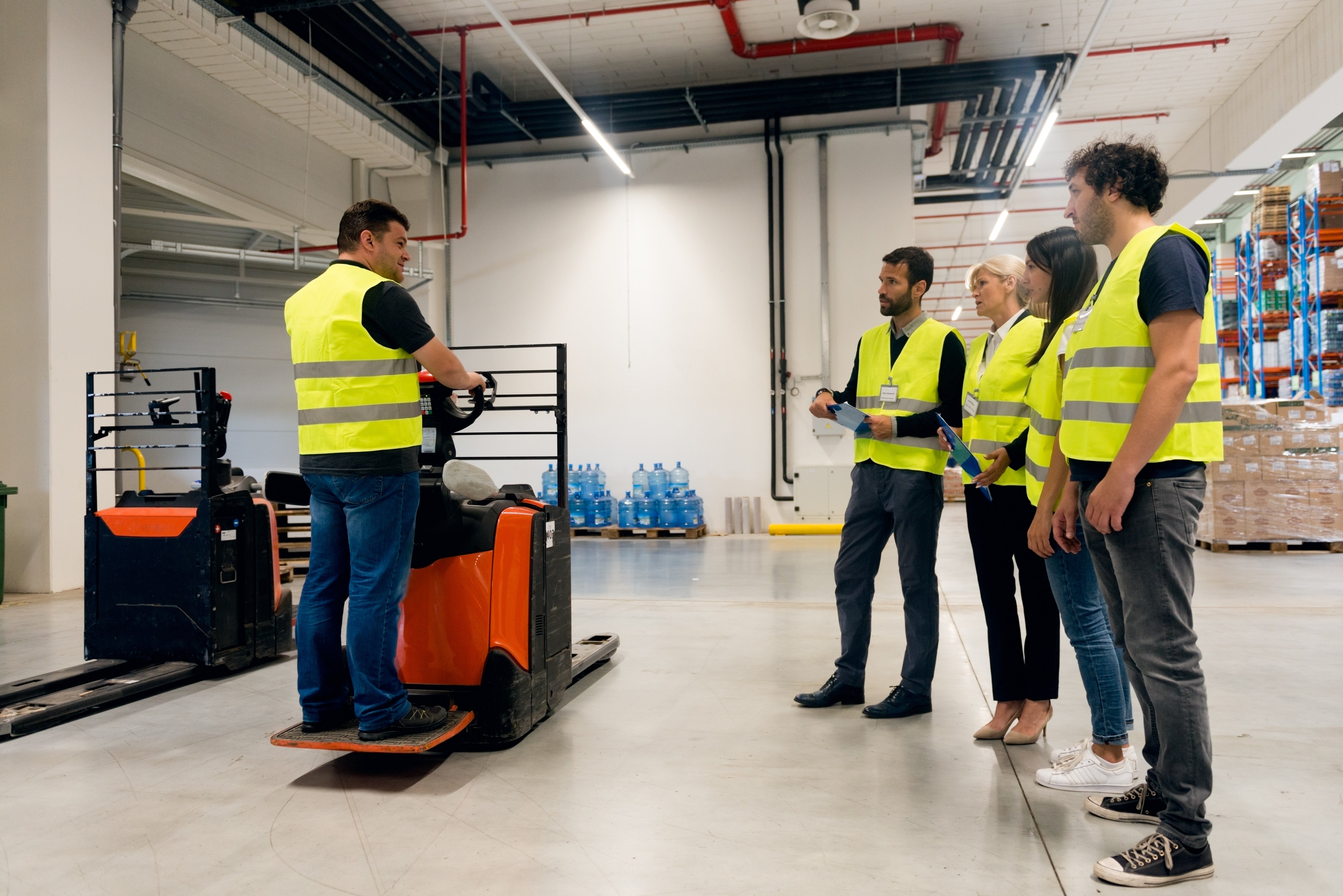
Strong programs typically include:
- Hands-on operation with coaching and correction
- Clear standards for inspections, load handling, and speed control
- Focus on pedestrian safety and traffic flow
- Scenario-based learning (docks, ramps, blind corners, unstable loads)
- Documented evaluations of operator competence
- Refresher training triggers and re-evaluation planning aligned to OSHA expectations
And importantly, quality training produces operators who are not just “certified,” but confident and consistent.
Why Charleston Forklift Training is worth it
At Charleston Forklift Training, we’re built for companies that want training done correctly—without wasting time.
We support your operation with:
- On-site instruction so your operators train on your equipment, in your environment
- OSHA-aligned training structure: instruction + hands-on + evaluation
- Practical coaching to reduce risky habits that cause incidents (speed, corners, load handling, docks)
- Clear documentation for your records and compliance needs
- A partner who understands that safety is about more than “checking a box”
When you invest in real training, you’re buying down risk—protecting your people, your schedule, and your bottom line.
The takeaway: don’t buy the cheapest—buy the safest
Forklift training is one of those areas where “saving money” upfront can lead to bigger costs later. OSHA compliance, injury prevention, and strong operator performance all point to the same conclusion:
Training is an investment in prevention.
If you want to protect your crew, reduce incidents, and start the year with confidence, Charleston Forklift Training is ready to help.
Ready to schedule forklift certification or refresher training?
Contact Charleston Forklift Training today.